Studies Centred on Digital Culture
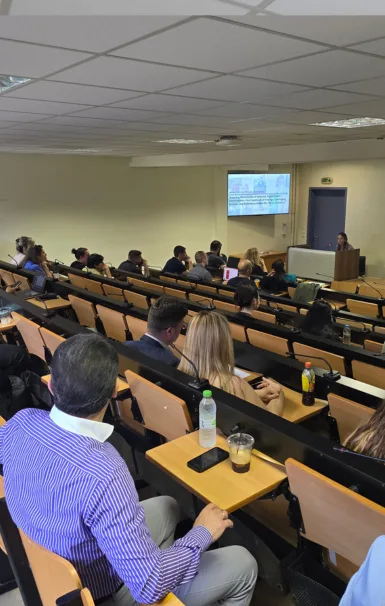
The Department of Cultural Technology and Communication of the University of the Aegean combines cultural studies, digital technologies and communication, offering a contemporary and interdisciplinary study environment. With an emphasis on innovation, cultural management and the development of digital content, it prepares graduates for a wide range of creative, technological and educational pathways.
The Department
The Department of Cultural Technology and Communication belongs to the School of Social Sciences of the University of the Aegean, is based in Mytilene and admits students from the 1st and 4th scientific fields. It was founded in 2000, in response to the dynamic development of Cultural Informatics, a field that harnesses new technologies for the analysis, study, presentation and creative processing of culture. The Department is unique in Greece in its combination of culture, communication and digital technology. It focuses on the methods by which digital technology represents, showcases and redefines cultural content, cultivating a consistently interdisciplinary academic environment with a national and international research presence.
Subject of Study
The mission of the Department is to educate young scientists at the creative meeting point of Informatics, Communication and Cultural Studies, with the aim of harnessing cutting-edge technologies for the production, promotion, creation, management and dissemination of digital cultural content. The programme of study cultivates interdisciplinary thinking and combines knowledge from the humanities, informatics and communication, offering a solid and contemporary foundation. It includes cultural theory, the management of tangible and intangible cultural heritage, theories of communication and digital media, museology, museum education, educational technology, programming, databases, information systems, interactive applications, Web applications, artificial intelligence, as well as digital representation and extended reality technologies. Through this framework, students acquire the knowledge and skills required to design and implement applications that serve culture and cultural heritage in contemporary and internationally competitive environments.
Career Prospects
Graduates of the Department possess a complex and flexible professional profile, which enables them to work in fields where technology, culture, communication and creative production meet. They may be employed in the design and development of digital cultural content applications, in the management and organisation of digital or digitised cultural material, as well as in the promotion of cultural organisations and activities in audiovisual and online media. At the same time, they may work as new-technology consultants for cultural organisations and creative industries, meeting needs related to promotion, documentation, communication, education and entertainment. Their professional opportunities extend to the private sector, in multimedia production companies, software and information-systems development companies, cultural-event organisers, private museums, libraries, documentation centres, publishing organisations, the media and advertising agencies. Correspondingly, in the public sector, they may be employed in education, in cultural-management services, in bodies of the Ministry of Culture and Local Government, in public libraries, museums, art galleries, as well as in institutional organisations of Greece and the European Union that operate in the field of culture.
Professional Rights
Graduates of the Department are able to pursue a professional career in the field of Informatics, digital creation and cultural management (Category PE Cultural Management), drawing on the interdisciplinary background provided by their studies. At the same time, they have the possibility of a professional career in the field of education through admission to sector PE86, in accordance with the current institutional framework, as well as the possibility of obtaining pedagogical competence. The academic character of the Department reinforces a contemporary and multidimensional professional profile, combining technological, communicative and cultural skills, responding to the demands of a constantly changing professional environment.


Research
Fields
The Department develops and supports research activities with a strong interdisciplinary character, implementing programmes that contribute to the recording, analysis and promotion of aspects of Greek, European and world culture through the production and management of contemporary cultural services and products.
Within this framework, it aligns itself with international developments and standards, promoting a contemporary framework for the organisation and utilisation of culture and communication. At the same time, it strengthens cooperation with public and private bodies for the implementation of research projects at national and international level. Research activity is supported by six established laboratories and also includes the preparation of original doctoral theses, fostering the creation of new knowledge and the development of specialised scientific expertise.

Laboratory of Museology
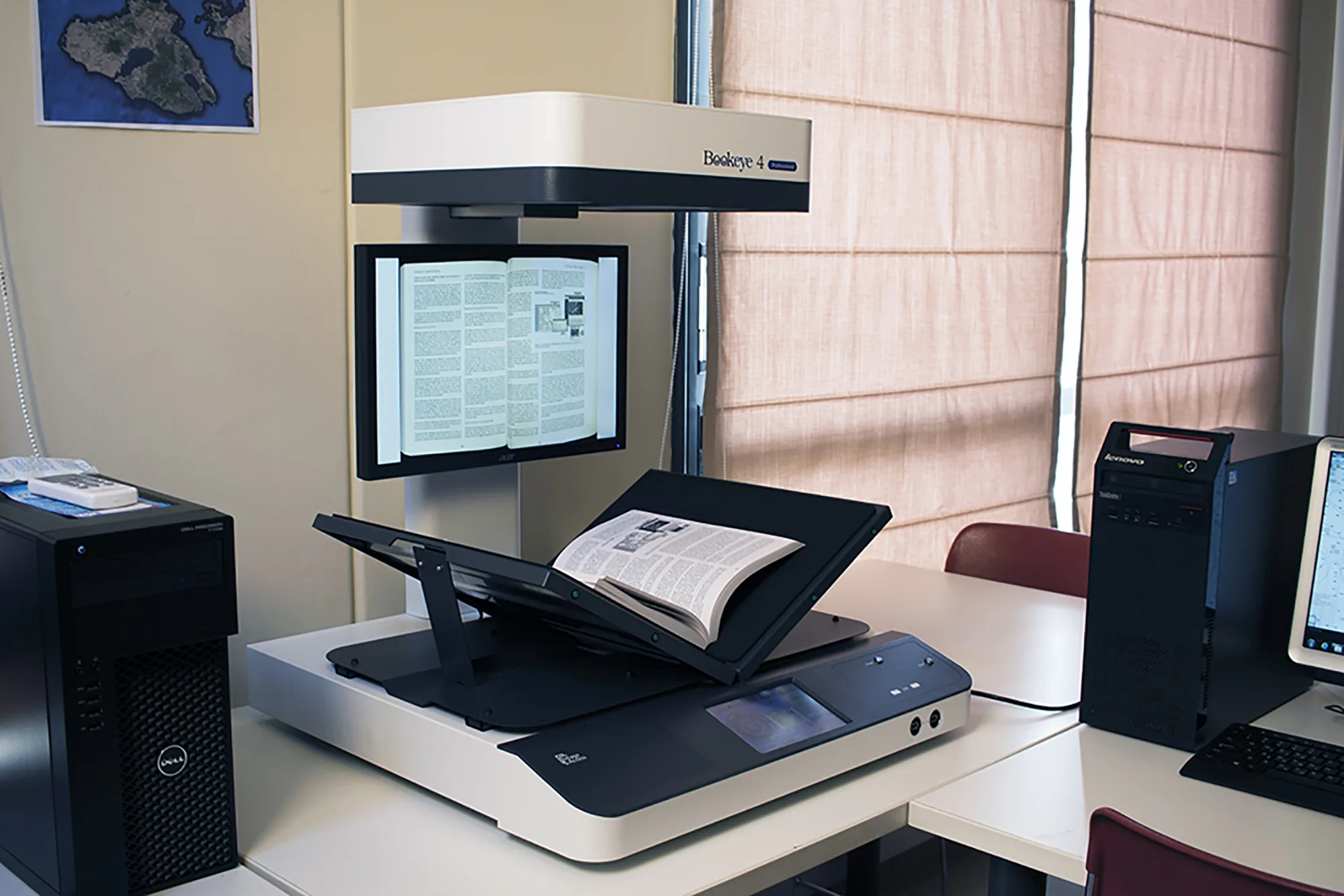
Laboratory for the Management of Cultural Heritage


The link for issuing a Solemn Declaration through GOV.GR is <a href="https://www.gov.gr/ipiresies/polites-kai-kathemerinoteta/psephiaka-eggrapha-gov-gr/ekdose-upeuthunes-deloses">https://www.gov.gr/ipiresies/polites-kai-kathemerinoteta/psephiaka-eggrapha-gov-gr/ekdose-upeuthunes-deloses</a>.
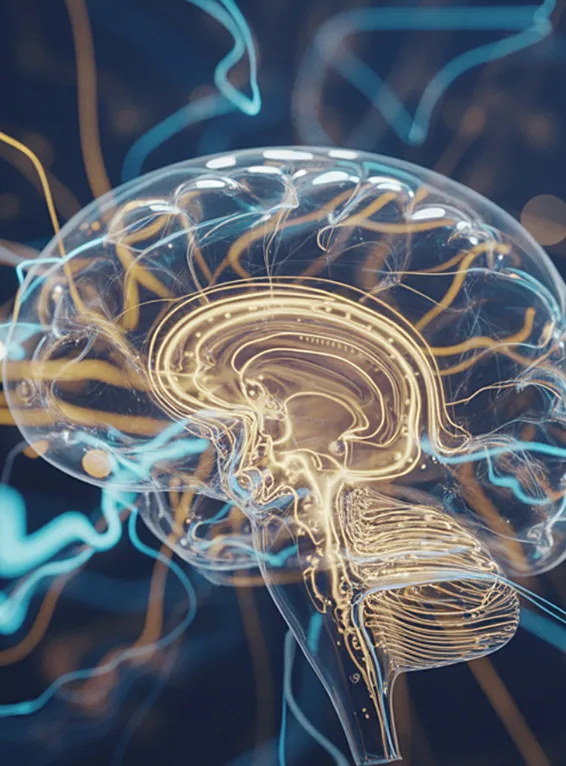
Laboratory of Intelligent Systems

Laboratory of Cultural Informatics Systems
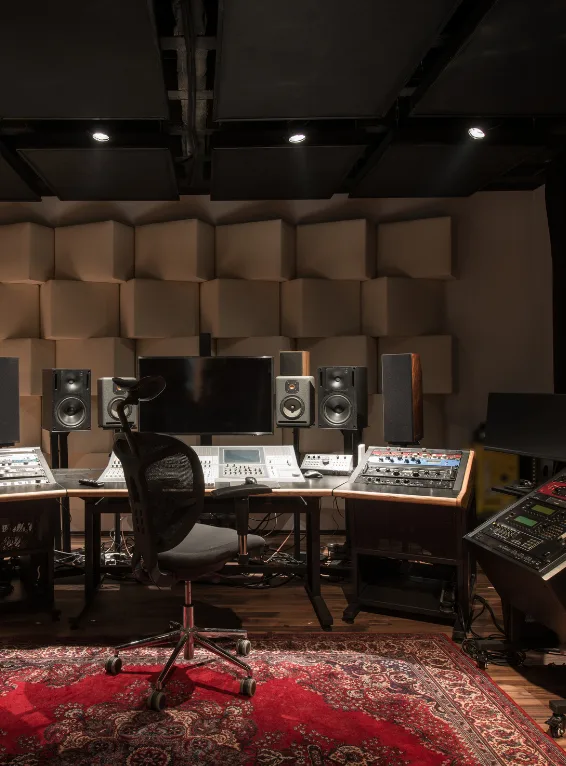
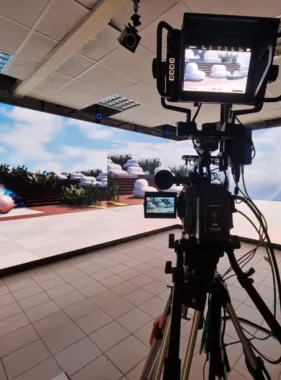
Laboratory of Image, Sound and Cultural Representation